When You've Forgiven Your Friend But Still Can't Trust Them Again
Reader Question: "My closest friend hurt me badly, and while we've technically 'worked through it,' I can't shake the feeling that something fundamental broke between us. I want to trust her again, but I keep waiting for the other shoe to drop. How do I know if I'm protecting myself or if I'm sabotaging the repair by not being able to let it go?"
When you say you "worked through it," what did that actually look like?
Did you have one big conversation where everything got aired out and then you both decided to move on?
Did you spend weeks processing what happened, talking through the hurt, making sure you both understood what went wrong?
Or was it somewhere in between, perhaps a few conversations that eventually felt like enough to call it "resolved"?
I ask because most of us don't actually know what repair looks like, but we do know what reconciliation looks like (that’s more of a cultural critique than an individual one, btw).
Sometimes that’s apologizing to make the tension stop, agreeing to move forward because staying in the conflict feels unbearable, or deciding the relationship matters more than being right.
But reconciliation and repair aren't the same thing: reconciliation is about restoring peace, whereas repair is about transformation. You might still be bracing because the safety that repair restores hasn’t happened yet.
What repair actually looks like
Repair requires both people to do specific, uncomfortable work over time. It's not a single conversation or a decision to "let it go."
It looks like this: your friend takes full accountability without defensiveness. They doesn't explain away what they did or make it about their discomfort with your pain. They sit with the reality that they hurt you and don't rush you to feel better so they can stop feeling guilty.
They will need to change her behavior in tangible ways. If they violated a boundary, they respect it now. If they were dismissive, they’re attentive. If they disappeared when things got hard, they stay present when conflict arises. You see the difference in their actions, not just their words.
They understand that trust rebuilds slowly and they’re willing to earn it back.
You have to do your part, too, even if you were technically the “betrayed party.”
You have to communicate what you need instead of testing them. You don't set traps to see if they’ll fail. You don't withhold information to see if they notice. You tell them directly what would help you feel safer and give them a real chance to show up.
You stay present when your instinct is to leave. When they make a small mistake and your body screams "see, I knew I couldn't trust them!" you pause. You assess whether this is new information or your wound reacting to old pain.
Real repair also requires willingness and ability from both people.
Willingness means you both want to build something new. Ability means you both have the capacity to do it.
Some friendships have willingness but not ability. Some have ability but not willingness. And sometimes - the hardest outcome IMO - you both have willingness and ability, but what you're building together ultimately doesn’t feel like home.
All of those are valid outcomes.
Repair isn't clean. It's messy and slow and requires both people to stay even when it's uncomfortable and with zero guarantees. It’s consistent, humble, vulnerable work from both people.
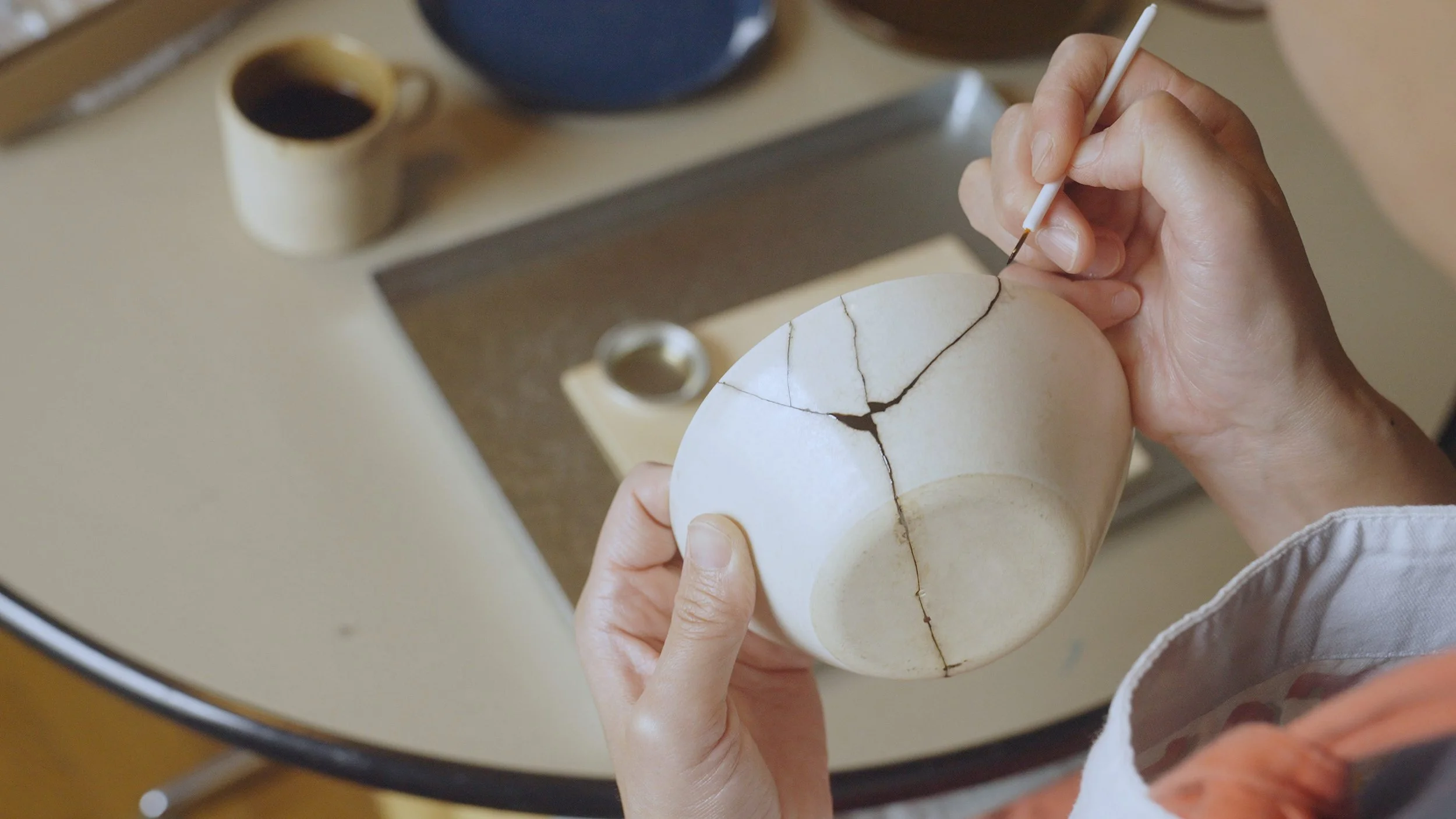
Kintsugi - the Japanese art of repairing broken ceramic with gold
Sidebar: What’s Your Role?
While you're repairing the friendship together, there’s an opportunity for you to go inward and understand yourself deeper.
What made you vulnerable to this dynamic - did you ignore early warning signs? Did you over-function in the friendship to avoid being left? Did you tolerate behavior you knew wasn't okay because you were afraid of conflict or losing her? Did you bypass your own boundaries? Is this dynamic familiar?
You’re not taking blame for your friend’s actions, but you’re taking this opportunity for self-reflection so that you have access to the medicine this situation has for you.
Forgiveness is not trust
Forgiveness and trust are connected, but they're not the same thing. And they don't have to happen in any particular order.
Forgiveness is something you can choose when you're ready. Sometimes you need to sit with the anger a little longer. Sometimes the hurt needs more time to be felt, processed, metabolized in your body before you can even think about releasing it.
When you are ready - and you'll know when that is - forgiveness is both a decision and an energetic release. When you forgive, you're cutting the cord that keeps you tethered to the injury so you’re releasing the charge.
Trust is also a decision as in you decide to take the risk - and do the work - of trusting again. But it's a decision you have to get your nervous system on board with.
You can cognitively decide "I'm going to trust them" and your body will still be braced, still watching, still waiting for the next hurt. It needs proof before it will soften, and that can only come by getting into the ring again with your friend and doing the repair work to build trust.
So when you ask whether you’re protecting yourself or self-sabotaging, ask yourself, am I rightfully protective but willing to be open and vulnerable, or am I building a case for why I should leave?
If the former, this makes sense. You were betrayed but are choosing to do the work to trust again and build something new with someone you hurt you. If the latter, you might’ve already decided the friendship is over, and haven’t admitted it yet.
One is discernment. The other is a slow goodbye.
Moving Forward
Based on your question, it sounds like the repairing of the rupture never happened or is incomplete. If you choose to repair, you have to go into it knowing that the friendship you had is gone, but you have an opportunity to build a new one.
A couple of things can happen:
The friendship repairs and becomes a new, stronger relationship. The rupture becomes part of your history together, proof you can survive hard things.
The friendship survives but is forever changed. You stay connected, but the closeness isn't the same. It's real, but different.
The friendship ends, and that's the point of coming back together to try it out again. Sometimes the most honest thing is acknowledging when the plant doesn’t have any roots left. The repair is letting it go with grace.
All three are valid.
Repair work is hard, but it’ll be some of the most rewarding work you’ll ever do, regardless of the outcome. What you learn about yourself, others, and how you want to live and love can far outweigh whether or not you stay in the relationship.
I see you and your courage for asking the hard questions, and willing to get into the arena!
If you're navigating friendship repair or loss and need support, book a consultation call to explore how we can support you. If you’d like more of a community care container to process this unique situation, our Friendship Breakup Processing Group is open. Join here.
As always, if you have a burning question about your relationships and want my two cents on it, share it anonymously here!